Skip to content
Lithurin

Warehouses and logistics

Warehouse floors that dust less and handle forklift traffic better

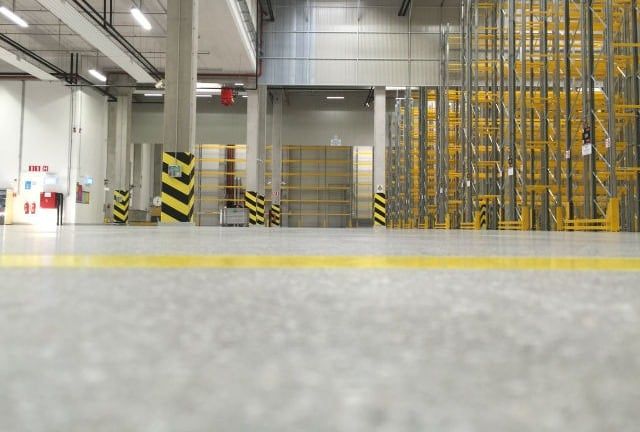
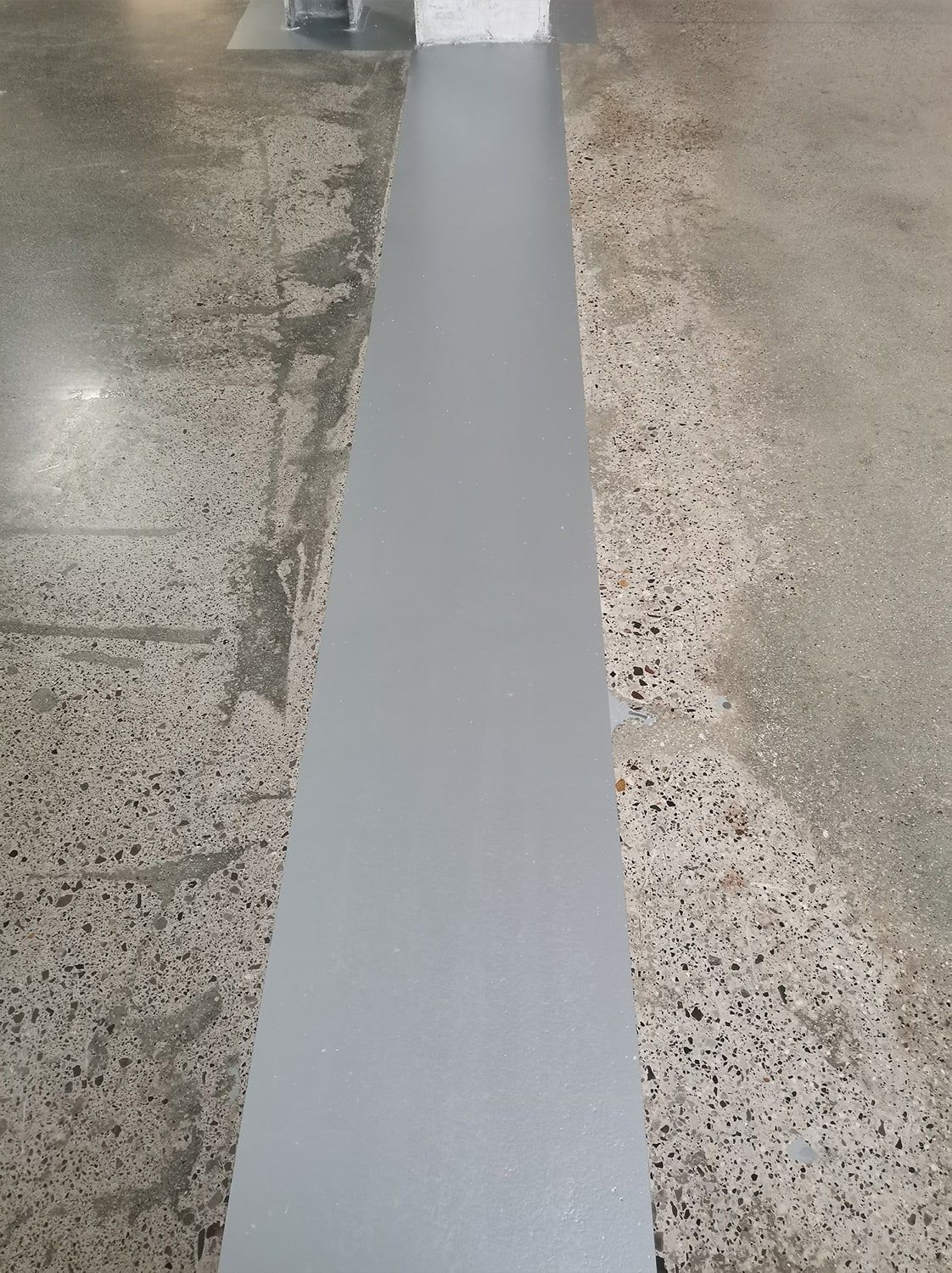
Treated floor in a hall with loading dock doors

A warehouse floor is tested every day by forklifts and pallet trucks. Untreated power-floated concrete wears in the traffic aisles, dust settles on goods and racking, and tyre marks build up on the surface. Lithurin Formula hardens and seals the surface layer of the concrete, so the floor is easier to clean and keeps its working surface for longer, without a coating that could peel.

Who it is for

Warehouse and logistics managers, facility maintenance, investors

What the floor has to cope with

  • Dust from forklift traffic
  • Wear in traffic aisles and at loading docks
  • Difficult cleaning and tyre marks

What we aim to achieve

  • A harder surface layer in traffic aisles
  • Less dust on goods and equipment
  • Easier machine cleaning

Where a warehouse floor wears first

On the turns out of the rack aisles and at the loading docks. See what happens there every day, how we treat the drive lanes and what changes afterwards.

Skip to the recommended sequence

Illustration, not a measurement.

A forklift turns out of the rack aisle

At the end of the aisle, the forklift turns towards the dock. As it does, the rear steering wheels scrub across the concrete and grind away the soft top layer. Dust rises where traffic is heaviest and settles on the pallets in the racks.

Dusting

The top layer breaks down into fine dust, which settles back on goods, racking and machines soon after sweeping.

Illustration: A rack aisle next to a loading dock. A pallet truck drives off the dock leveller into the hall, and a forklift turns out of the aisle towards the dock. Dust rises on the turn and at the edge of the leveller and settles on the pallets.
Wear shows on the turn and at the dock

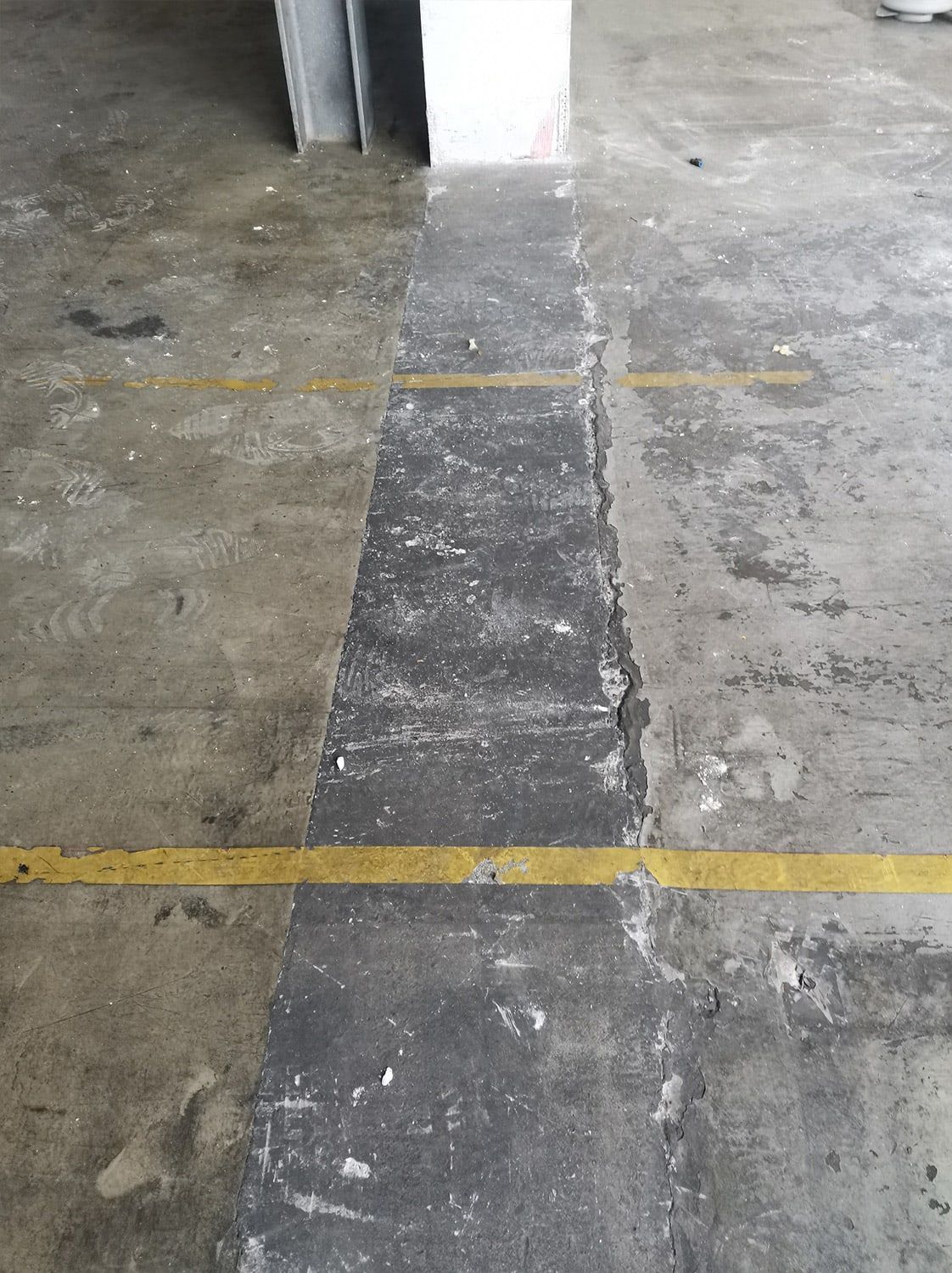
After a few years, the turn shows dark tyre marks and exposed aggregate. At the edge of the dock leveller, pallet truck wheels strike the concrete every day, so the edge crumbles and dusts.

Worn traffic aisles

In traffic aisles and on turns, the aggregate starts to show and the surface becomes rough and damaged.

Illustration: Dark tyre marks and a worn strip on the turn. A close-up shows exposed aggregate, rubber marks and dust. The concrete edge next to the dock leveller is chipped.

Grinding, then HARD and SEAL 3.0

First we grind the drive lanes back to sound concrete. HARD penetrates the surface layer and reacts there, making the layer harder. A second application, SEAL 3.0, seals the surface so that it dusts less and is easier to clean. There is no film on top that could peel.

In dry indoor warehouses, SEAL may also be suitable. We confirm the choice during the site visit.

Illustration: A ground and treated strip of drive lane. In the enlarged section of the slab edge, the surface layer where HARD has reacted is marked in violet; there is no film on top.

Same turn, less dust

Forklifts use the same routes, but only a little dust rises above the turn. Machine cleaning with a diamond pad removes the abrasive dirt that would otherwise grind the surface, so the floor is easier to maintain.

Cleaning and maintenance

Illustration: After treatment, a cleaning machine cleans the drive lane, a forklift turns out of the aisle and only a few grains of dust rise behind it.

Recommended sequence

A starting point for a site visit. We set the final sequence according to the condition of the concrete, the preparation and how the floor is cleaned.

Before and after treatment

Before: Worn traffic aisle with markings: before and after treatment
After: Worn traffic aisle with markings: before and after treatment
BeforeAfter
Worn traffic aisle with markings: before and after treatment. Drag to compare.
Worn traffic aisle with markings: before and after treatment

Our projects in this sector

  • DB Schenker: Warehouse floor with marked traffic aisles

    DB Schenker

    Warehousing and logistics, Škofja Loka, 7,000 m²

  • Pfeifer Transport: High-bay warehouse

    Pfeifer Transport

    Warehousing and logistics, Nazarje, 2,460 m²

All projects

References listed by the manufacturer, AB Lindec

International references of the manufacturer, not projects carried out by the contractor in Slovenia or Croatia.

  • IKEA
  • Volvo

Frequently asked questions

Can the warehouse keep operating during the treatment?

The work is done in phases. We divide the floor into sections so traffic can be rerouted, and plan the schedule around your operations. Drying time depends on the temperature and the product.

What about floor markings?

Traffic aisle markings can be renewed after the treatment. While preparing the surface, we agree which markings stay and which are reapplied.

Show us your floor. We will recommend the right sequence.

On a site visit we check the condition of the concrete, the traffic, how the floor is cleaned and what it is exposed to. Then we propose the surface preparation, the product sequence and a schedule that fits around your operations.

Book a site visitShow phone number

Opening hours: Mon–Fri 8:00–16:00