Skip to content
Lithurin

Concrete floors that dust less and last longer under traffic.

Untreated industrial concrete wears under forklifts, gives off dust and soaks up stains. Lithurin Formula is a water-based impregnating agent that reacts within the surface layer of the concrete and becomes part of the slab. There is no coating to flake or peel.

What happens to the floor, step by stepCheck your floor in one minute

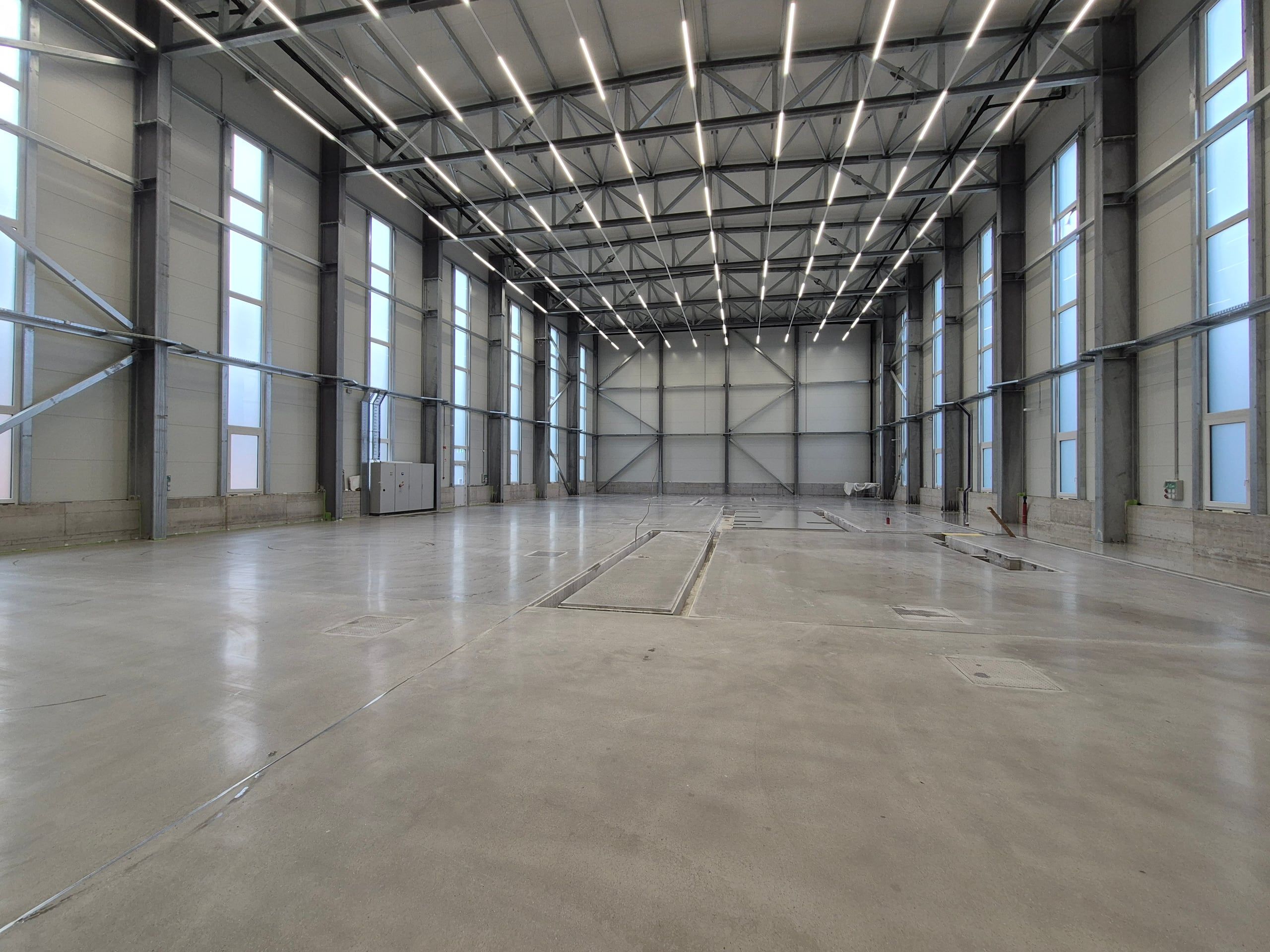
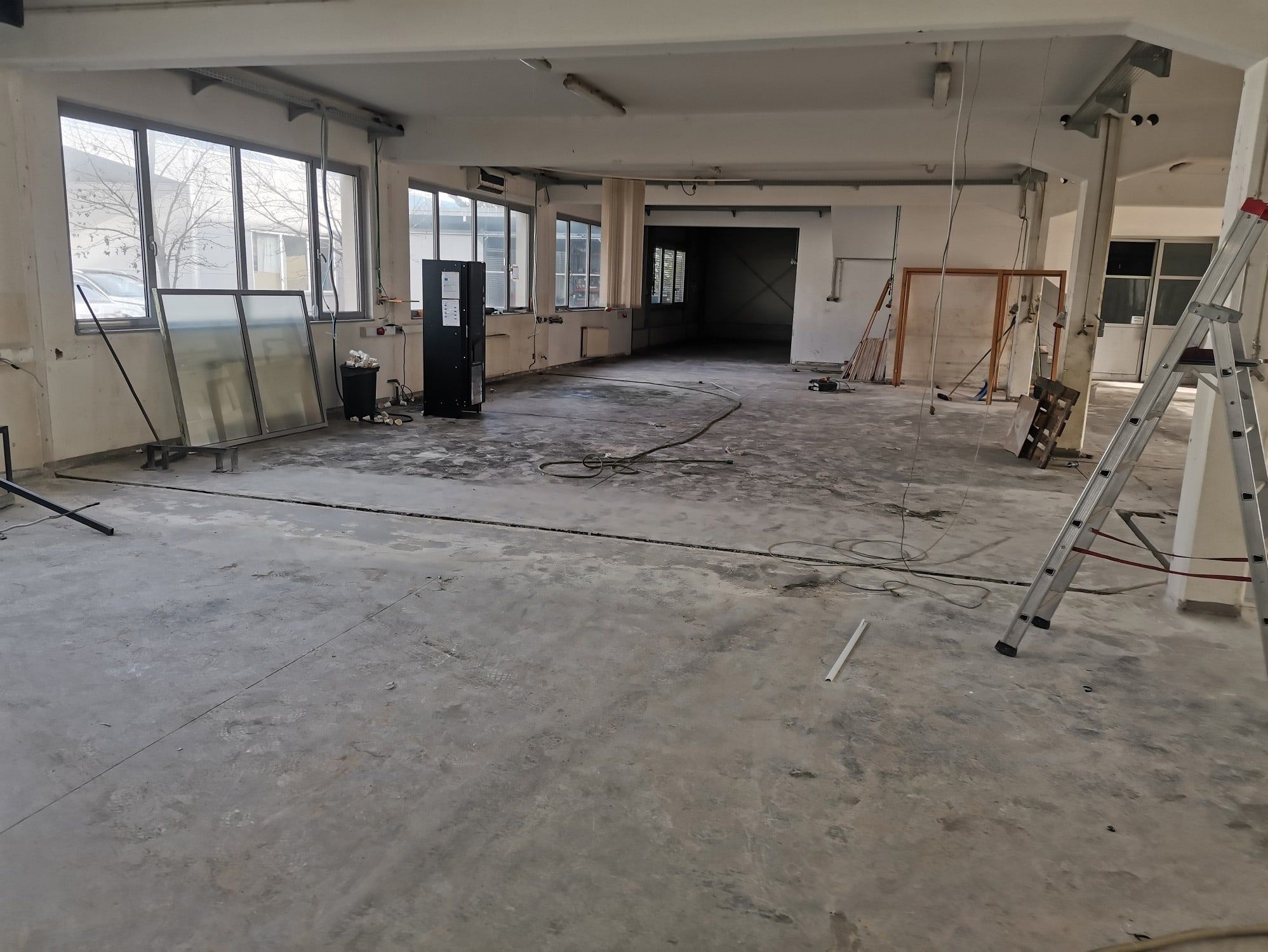
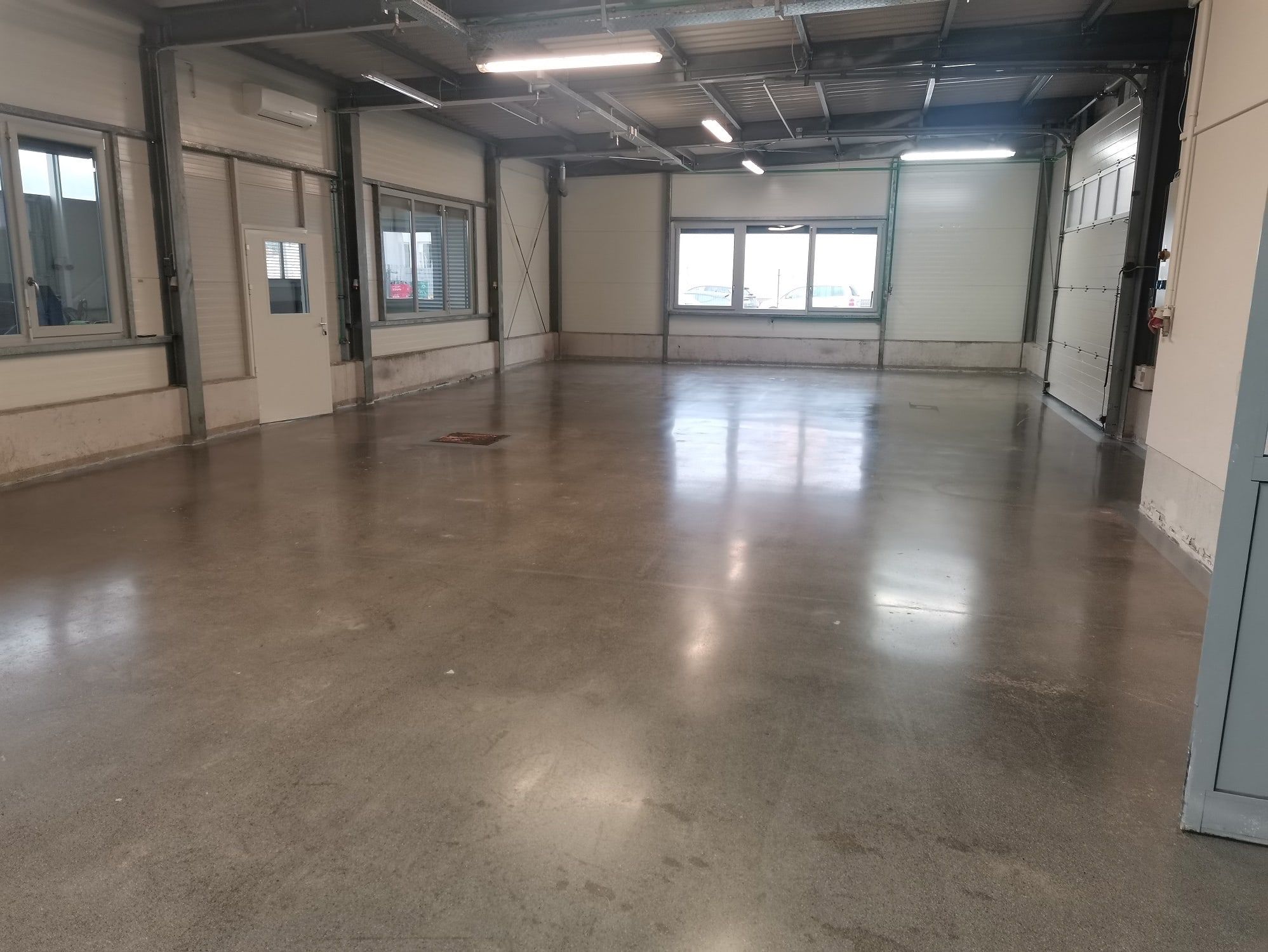
Before: Industrial hall, existing floor: grinding and Lithurin Formula
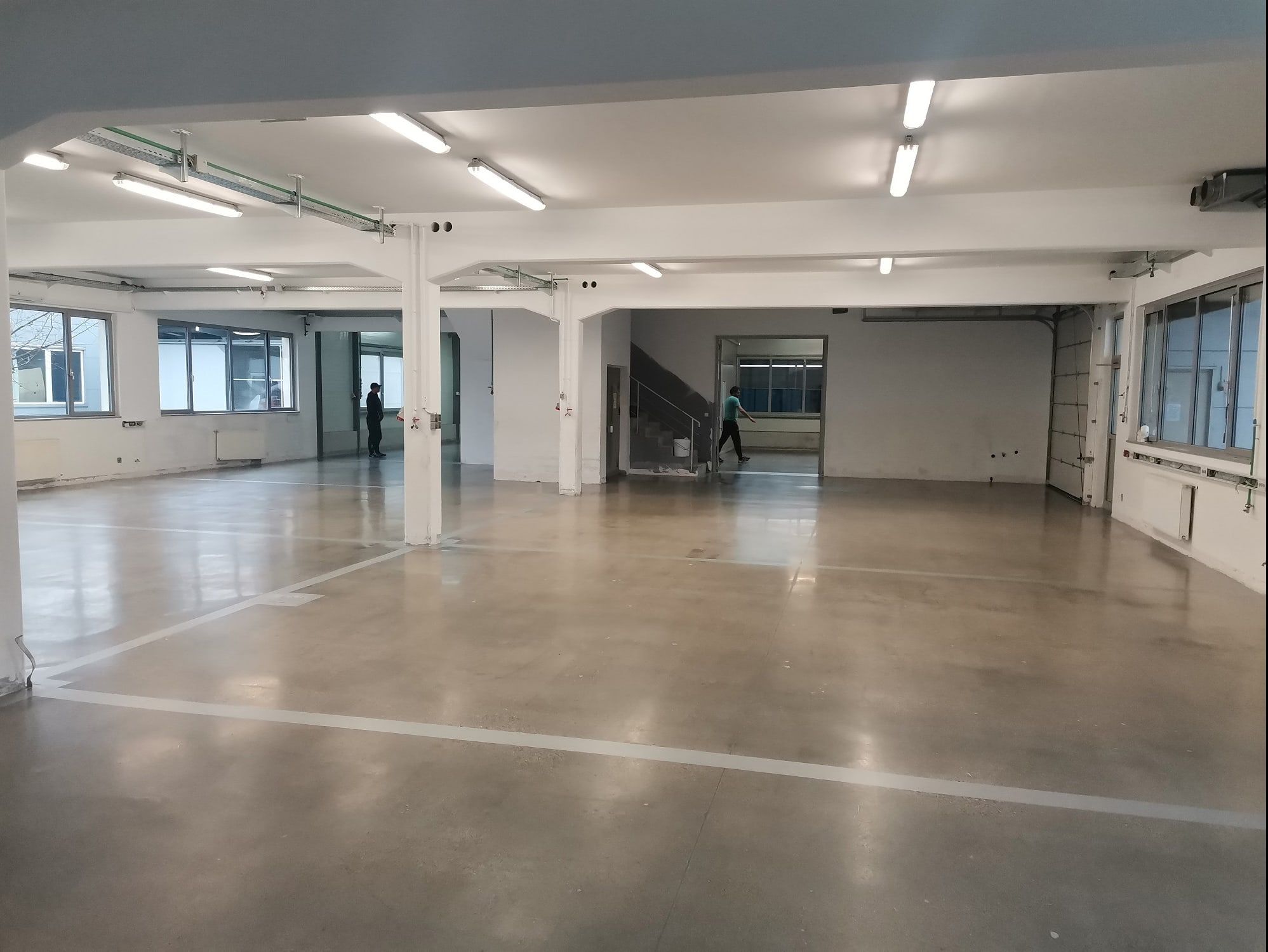
After: Industrial hall, existing floor: grinding and Lithurin Formula
BeforeAfter
Industrial hall, existing floor: grinding and Lithurin Formula. Drag to compare.

Industrial hall, existing floor. Left: before treatment. Right: after grinding and Lithurin Formula treatment.

Drag to compare

What happens to your warehouse floor every day

How unprotected concrete wears, what Lithurin Formula does in its surface layer, and how the floor then holds up in daily use. As you go, tick what you see on your own floor.

Skip to the summary for your floor

Illustration, not a measurement.

Forklifts move off and the dust rises

Power-floated concrete has a softer, porous top layer. Under the wheels of forklifts and pallet trucks it breaks down into fine dust that rises over the traffic aisles and settles on stock, racking and machinery.

Illustration: A warehouse with racking and a traffic aisle. A forklift and a pallet truck are moving, dust rises behind their wheels, and a haze of dust hangs over the aisles. A circle on the aisle marks the detail we then show close up.
A closer look: the surface is breaking down

This is the same concrete in cross-section. Tick the signs you recognise from your own floor.

  • Dusting

    The top layer breaks down into fine dust, which settles back on goods, racking and machines soon after sweeping.

  • Worn traffic aisles

    In traffic aisles and on turns, the aggregate starts to show and the surface becomes rough and damaged.

Illustration: Close-up cross-section of a concrete floor: grains of dust rise from the top layer, and the traffic aisle shows a shallow worn track with exposed aggregate.

Marks and stains that stay

An open surface absorbs whatever a wheel leaves behind or drips from a vehicle.

  • Tyre marks

    Dark wheel marks work their way into the open surface and stay even after cleaning.

  • Oil stains

    Oil and lubricants penetrate the pores. The stain remains even when the surface is dry.

Illustration: Dark tyre marks and an oil stain on the surface; in cross-section, the stain spreads down into the concrete.

Liquids soak in and coatings come away

Liquid absorption and peeling coatings are two sides of the same problem: the surface cannot take the load.

  • Liquid absorption

    Water and dirt soak into the concrete. The floor stays dark for a long time and cleaning takes longer.

  • Peeling coating

    An epoxy or acrylic coating is a film on top of the concrete. Under traffic and moisture it can come away, and it has to be removed before the floor can be renewed.

Illustration: A drop of water spreads and soaks into the concrete through the capillaries; on the right, an epoxy coating is lifting and curling.

Grinding back to sound concrete

We grind existing floors first. We remove the soft top layer, stains, marks and old coatings until we reach sound, absorbent concrete. On a new slab, the surface must be clean and free of curing compounds that would close the pores.

Without proper preparation there is no good result. Poor preparation is the most common reason a treatment falls short of expectations.

Illustration: The whole surface has been ground: stains, marks and coating are gone, and the open pores of sound concrete are visible.

HARD penetrates the concrete and reacts there

Lithurin HARD is a water-based impregnating agent. It penetrates the surface layer through the capillaries, where its fluorosilicate reacts with free lime in the concrete. This forms calcium silicate hydrate (C-S-H), which fills the micropores. The surface layer becomes harder and denser, with no film on top.

reaction in the poresCa(OH)2 + fluorosilicate → C-S-H + CaF2

Illustration: A surface layer marked in violet shows where HARD has reacted; the pores in this layer are filled and there is no film on the surface.

SEAL 3.0 seals the surface

The second application closes the pores at the surface. Less dust rises from it, less liquid soaks in, and the floor is easier to clean. SEAL 3.0 is also suitable for wet and outdoor surfaces.

In dry indoor areas, SEAL may also be suitable. We decide which one during the site visit. SEAL or SEAL 3.0?

Illustration: After SEAL 3.0, the pores at the surface are closed, with the treated layer marked in violet below. A wheel has crossed the surface and raised only a few grains of dust.

PROTEC: drops stay on the surface

Where oil and spills are part of daily work, we add PROTEC. This impregnating agent makes the surface liquid-repellent: drops stay on top and are easier to wipe away.

Spills still need to be cleaned up promptly. PROTEC improves stain protection; we do not promise chemical resistance.

Illustration: A drop of water sits on the treated surface as a bead. A cloth has already wiped up the oil drop and carries a dark stain. A dashed outline shows where water used to soak into the concrete.

Traffic aisles that are easier to clean

Forklifts run along the same routes, but much less dust rises behind them. Daily machine cleaning with a Suprashine 8000 diamond pad and Concrete Soap removes the abrasive dirt that would otherwise grind down the surface.

Cleaning and maintenance

Illustration: The hall after treatment: a forklift drives along the same aisle with far less dust, and a scrubber with a round diamond pad cleans a strip of the aisle.

What this means for your floor

It is a starting point for a site visit, not a quote: we set the final sequence and preparation once we have inspected the concrete.

Starting point for a site visit

Typical sequence for similar floors. Results depend on the concrete, preparation and maintenance.

Before and after treatment: real sites

We first grind existing floors back to sound concrete, then apply the Lithurin sequence. Drag across the photo.

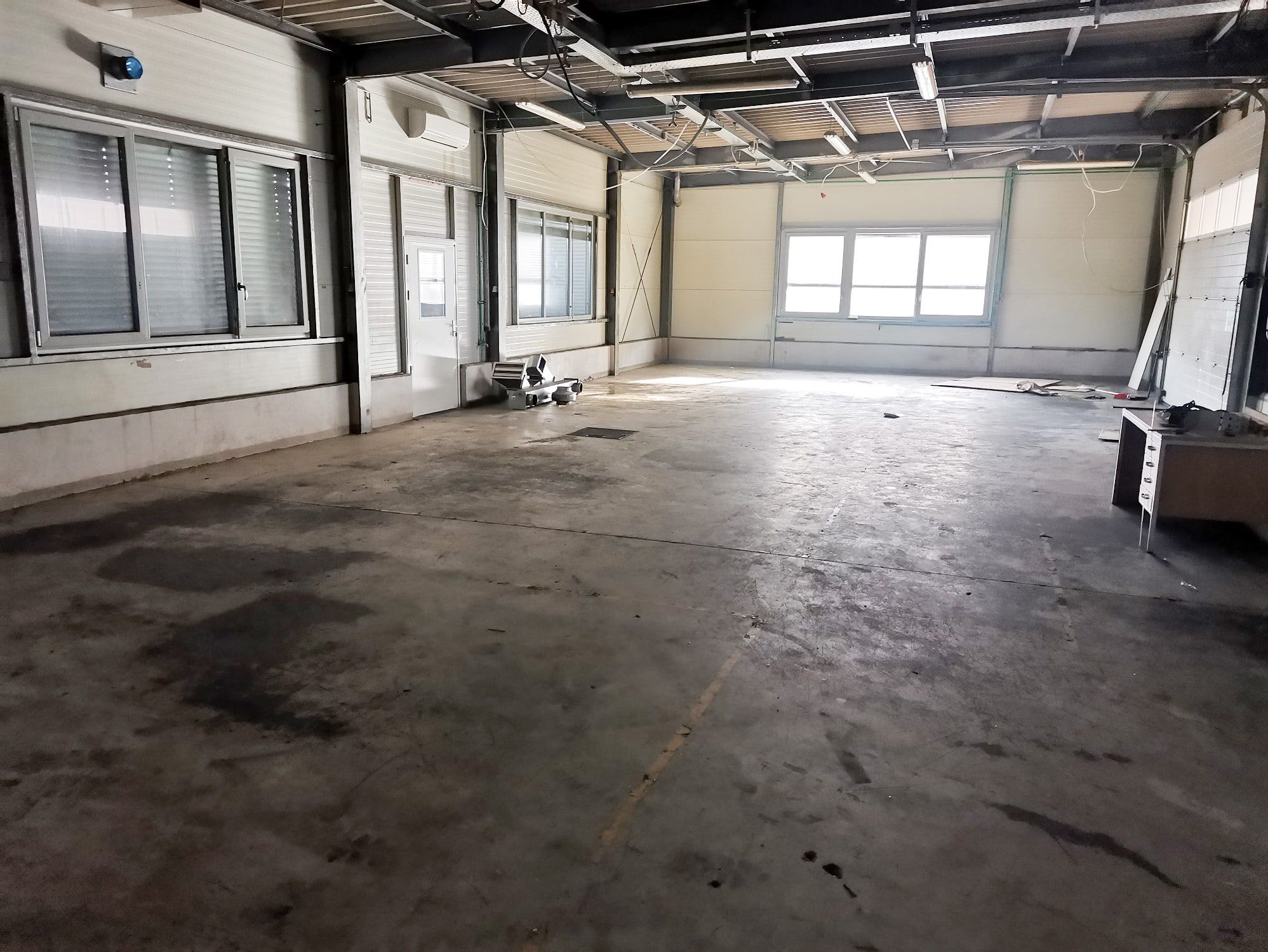
Before: Same hall, another area: from oil-soaked concrete to a sealed surface
After: Same hall, another area: from oil-soaked concrete to a sealed surface
BeforeAfter
Same hall, another area: from oil-soaked concrete to a sealed surface. Drag to compare.
Same hall, another area: from oil-soaked concrete to a sealed surface
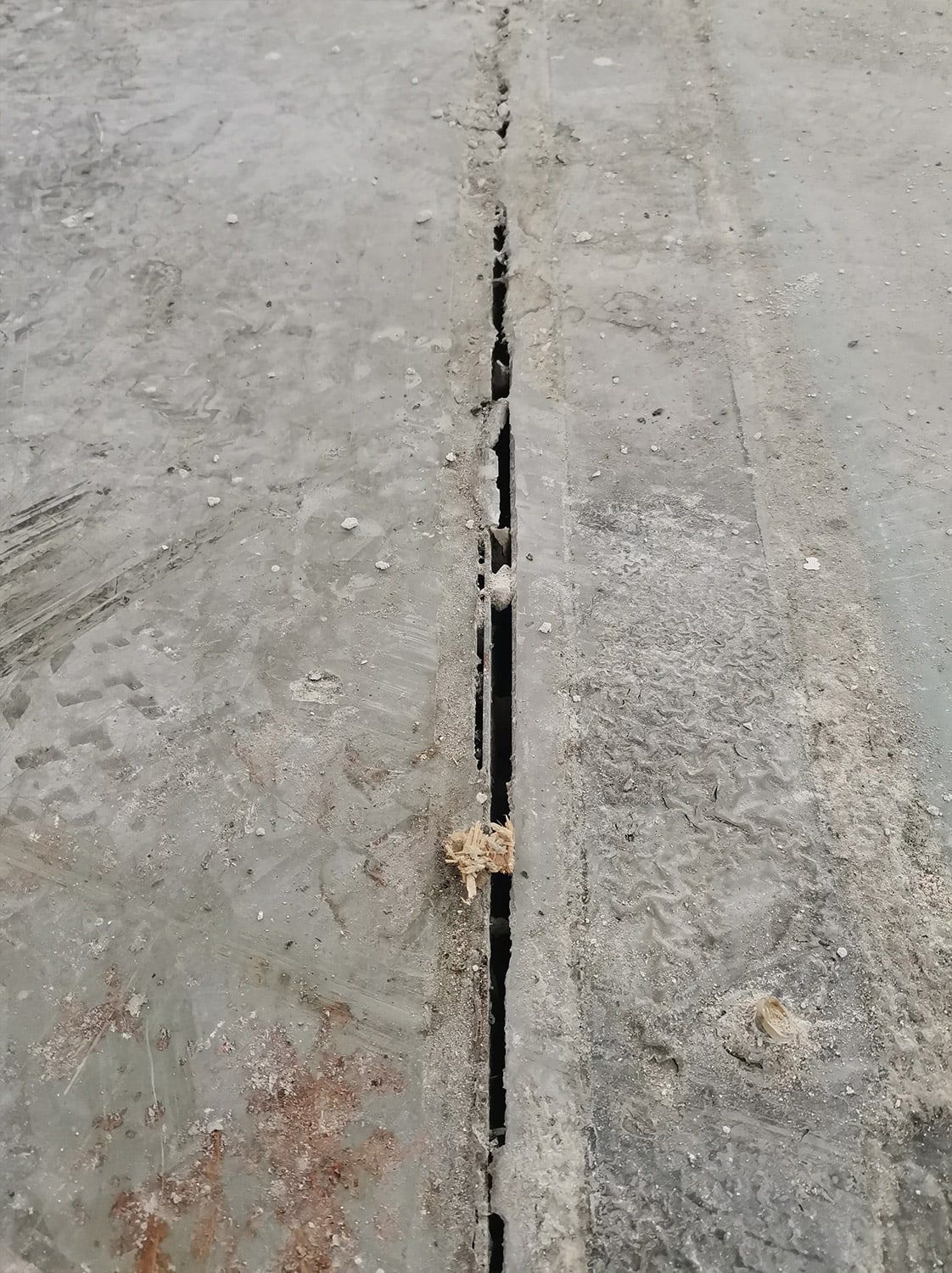
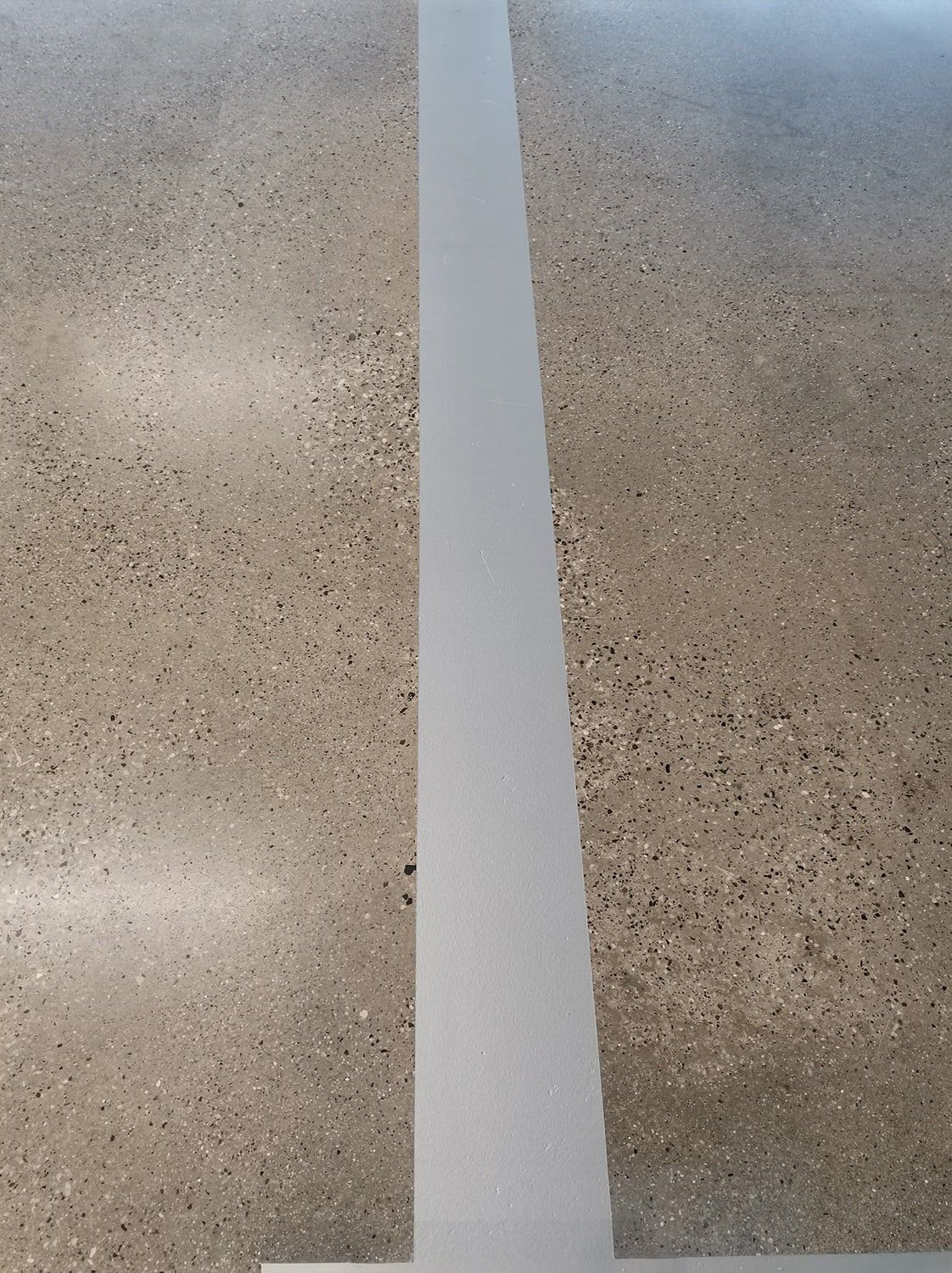
Before: Joint and traffic aisle: before grinding and after treatment
After: Joint and traffic aisle: before grinding and after treatment
BeforeAfter
Joint and traffic aisle: before grinding and after treatment. Drag to compare.
Joint and traffic aisle: before grinding and after treatment

Our projects

  • DB Schenker
  • Pfeifer Transport
  • Medle
  • Plasta
  • Automati Štefančič
  • Manimo
  • Aplast
  • Rut
  • DG 69
  • Automatic Servis
  • Kmetija Drofelnik
  • Hotel Zagreb
  • Novartis
  • Bluebit

All projects

Where we use it

Wherever bare concrete is the working surface and has to last for years. For each type of building we show what happens to the floor and which sequence suits it.

Figures and sources

These figures are published by AB Lindec, the Swedish manufacturer of the Lithurin Formula system, and we quote each one with its source. The result on your site depends on the concrete, preparation and maintenance.

lindec.com

10–20 ×

higher abrasion resistance

Source: AB Lindec, based on independent tests by Aston Services, United Kingdom. Approximate figure compared with untreated concrete.

35M+ m²

of concrete floors treated in more than 35 countries

Source: AB Lindec, Lithurin Formula presentation.

Gold

Indoor Air Comfort Gold for HARD, SEAL 3.0 and PROTEC

Source: Technical data sheets and emission test reports from the manufacturer. Emission test reports

CE

declarations of performance for HARD, DENS, SEAL, SEAL 3.0 and PROTEC

Source: Available to download in Slovenian and English. Documents

Mohs hardness of the surface layer

Surface layer hardened with Lithurin HARD.

Source: contractor's figure based on completed projects. The value applies to the hardened surface layer and depends on the quality of the concrete and the preparation.

References listed by the manufacturer, AB Lindec

International references of the manufacturer, not projects carried out by the contractor in Slovenia or Croatia.

  • Volvo
  • IKEA
  • Coca-Cola
  • Akzo Nobel
  • Alfa Laval
  • Northvolt
  • Koenigsegg
  • Volvo Car
  • Facebook

Check your floor

Five short questions about your floor, traffic and cleaning. We show a typical Lithurin Formula sequence as a starting point for a site visit.

Step 1 of 5

Location

Where is the floor?

From site visit to daily cleaning

  1. 1

    Site visit and preparation

    We assess the concrete, the traffic and how the floor is cleaned. Existing floors are ground or cleaned back to a sound, absorbent substrate.

  2. 2

    Treatment

    We apply the Lithurin sequence: hardening or densifying, sealing and, where needed, stain protection.

  3. 3

    Maintenance

    Regular cleaning with Concrete Soap and the Suprashine 8000 diamond pad keeps the treated surface in good condition.

The full process

Frequently asked questions

Is Lithurin a coating?

No. Lithurin is an impregnating agent that reacts within the surface layer of the concrete. It does not form a film, so there is no layer on top that could peel off the way a coating does.

Can it be used on old, existing floors?

Yes, as long as the concrete is sound. Before treatment we grind or thoroughly clean existing floors back to an absorbent surface. The treatment improves the surface layer, but it does not fix major defects in the concrete, cracks or a poor base slab.

How long does the treatment take?

It depends on the size, condition and accessibility of the area. For around 1,000 m² we usually allow 2–3 days. We draw up an exact schedule after the site visit.

How long does the effect last?

The manufacturer states that a single application gives long-lasting protection. How long it lasts in practice depends on traffic, contamination and maintenance, so we recommend regular cleaning with Concrete Soap and the Suprashine 8000 pad.

Is the floor resistant to chemicals after treatment?

Treatment with PROTEC improves stain protection, but we do not promise chemical resistance. Whether the floor is suitable depends on the type of liquid, its concentration and how long it stays on the surface.

Show us your floor. We will recommend the right sequence.

On a site visit we check the condition of the concrete, the traffic, how the floor is cleaned and what it is exposed to. Then we propose the surface preparation, the product sequence and a schedule that fits around your operations.

Book a site visitShow phone number

Opening hours: Mon–Fri 8:00–16:00