Skip to content
Lithurin

Production halls

Concrete treatment for working floors in production

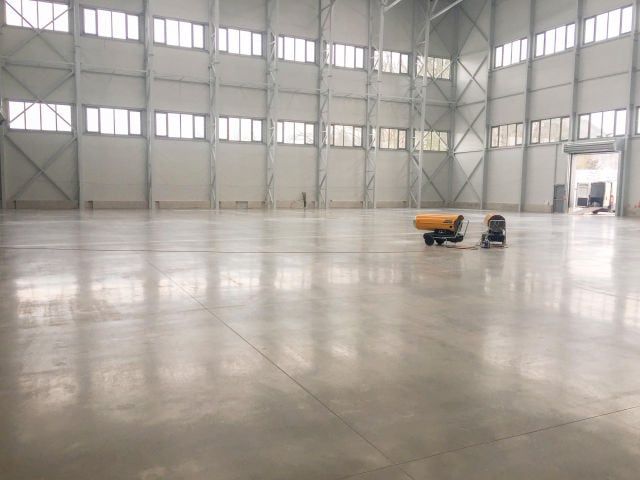
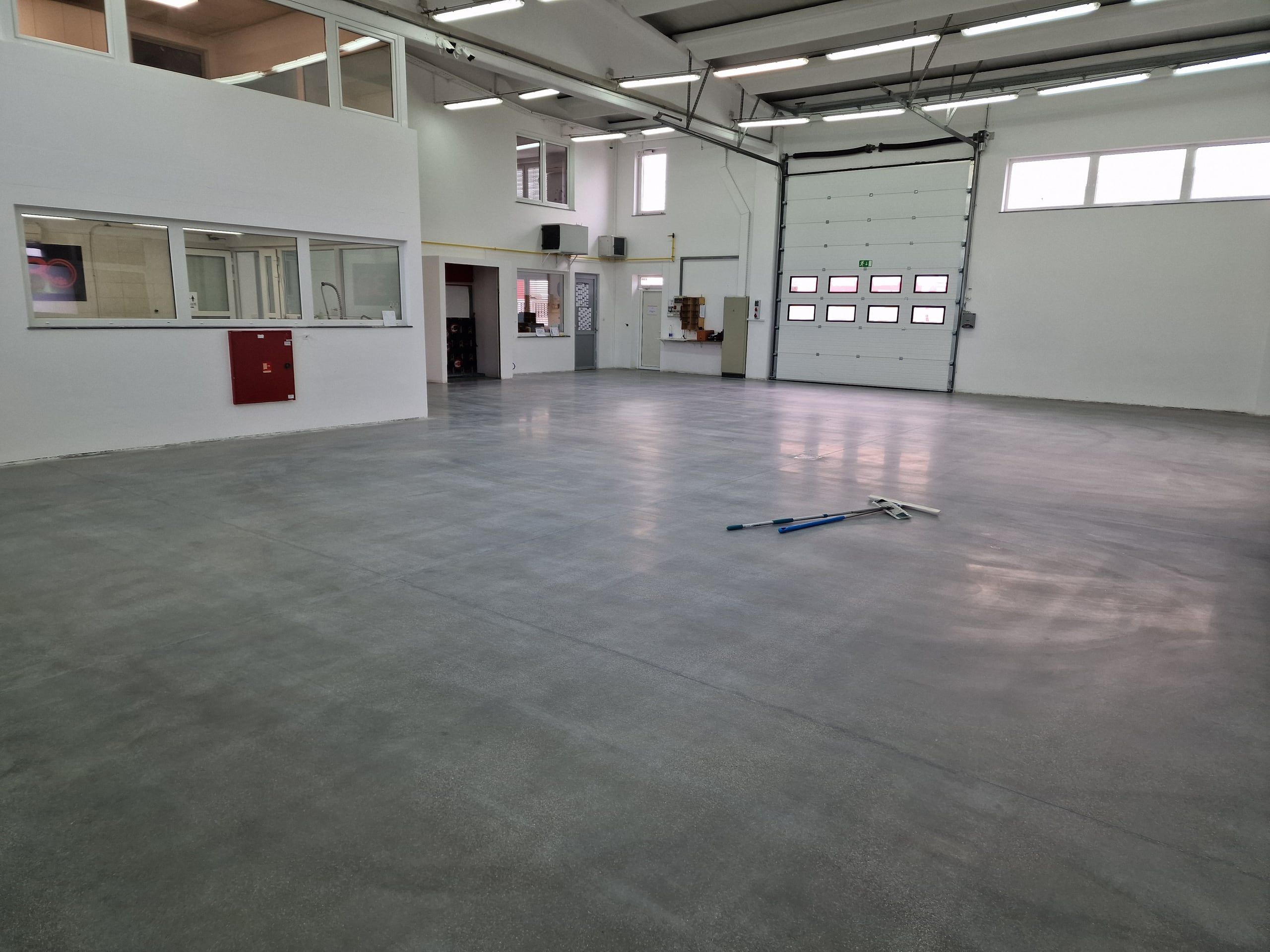
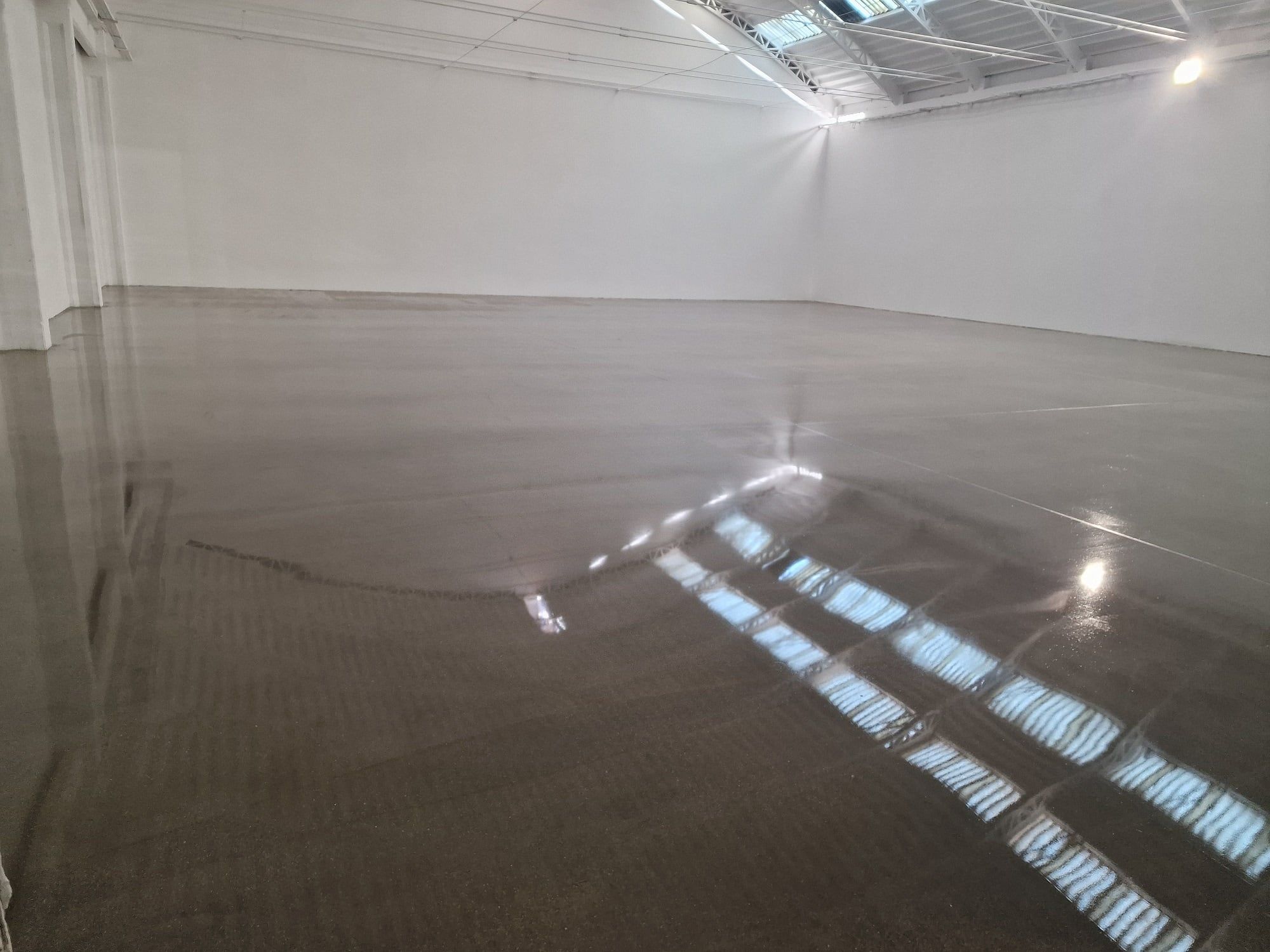
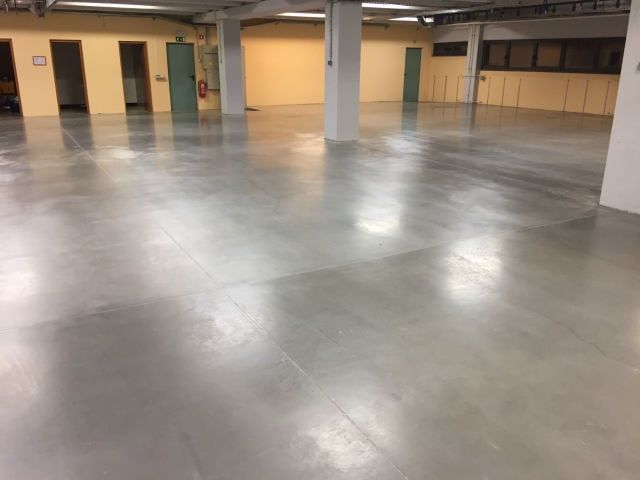
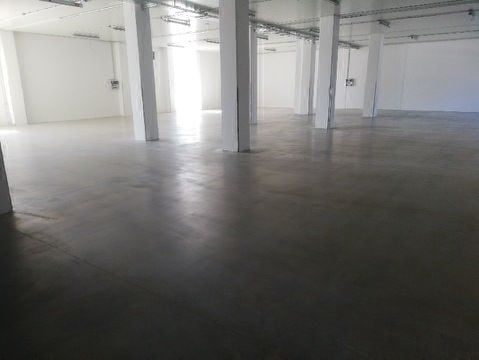
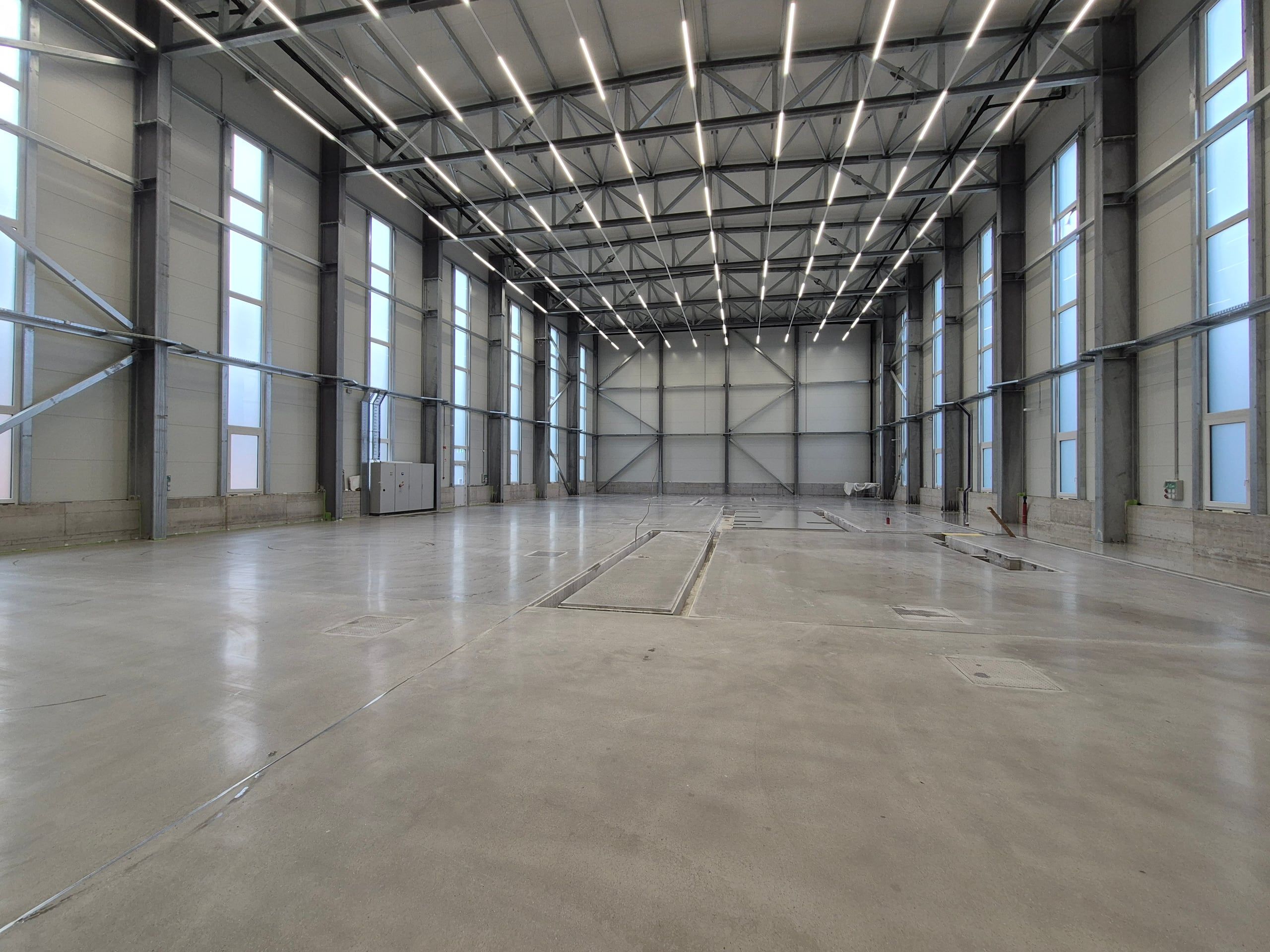
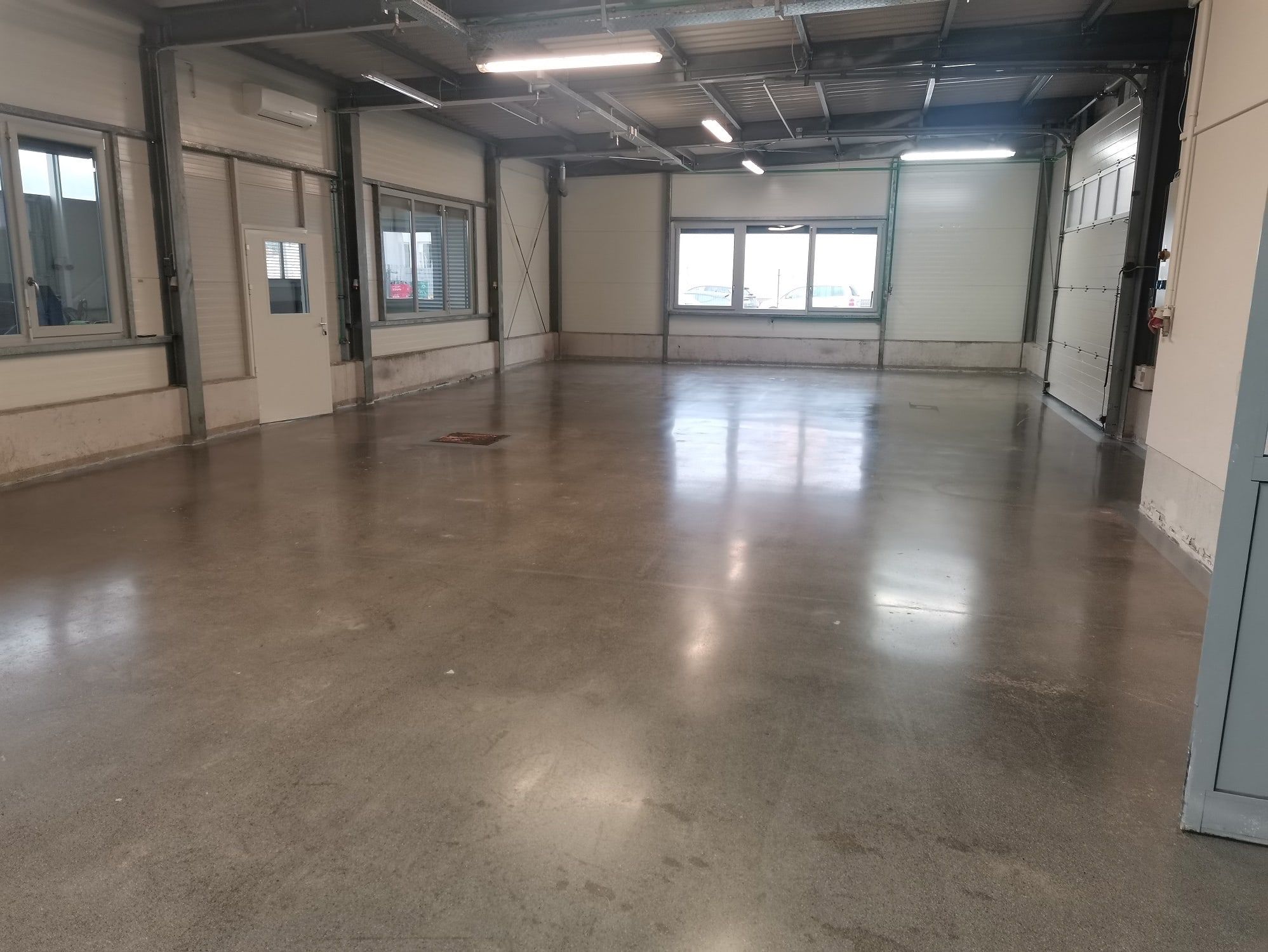
Long industrial hall with a treated concrete floor

In production, concrete dust ends up on products, machines and filters, and wear shows wherever traffic is heaviest. Lithurin Formula hardens, densifies and, where needed, protects the concrete surface, which helps with dust control and makes maintenance easier. Correct preparation and the right product sequence matter more here than promises.

Who it is for

Production directors, maintenance managers, health and safety officers

What the floor has to cope with

  • Wear in active production zones
  • Dust that affects cleanliness and work
  • Repairs that stop production

What we aim to achieve

  • A harder, denser surface layer
  • Support for dust control
  • Easier daily cleaning

Floor dust does not belong on your products

In a production hall, dust from the traffic aisles settles on products and machines, and oil from the machines soaks into the concrete. See where the dust comes from, how we treat the floor and what changes afterwards.

Skip to the recommended sequence

Illustration, not a measurement.

A pallet truck between machines raises dust

Every day, the wheels of pallet trucks and forklifts grind away the soft top layer of the concrete. Fine dust rises above the traffic aisle and settles where it does not belong: on finished products, workbenches and machines.

Dusting

The top layer breaks down into fine dust, which settles back on goods, racking and machines soon after sweeping.

Illustration: A production hall with a press and two machining centres. A pallet truck drives along the traffic aisle between the machines, raising dust behind its wheels. A close-up shows flanges on a pallet covered in dust.
Oil from a machine and a dusty levelling compound

Oil drips under a hydraulic hose on the press. Untreated concrete absorbs it and the stain stays. A strip repaired with self-levelling compound is often porous and dusts under traffic.

Oil stains

Oil and lubricants penetrate the pores. The stain remains even when the surface is dry.

Illustration: Under a hydraulic hose coupling by the press there is a dark oil stain on the concrete. A strip of levelling compound across the traffic aisle is covered in dust.

Grinding, HARD and SEAL 3.0, DENS on the levelling compound

We grind the traffic aisles back to sound concrete. HARD penetrates the surface layer and reacts there, making the layer harder. A second application, SEAL 3.0, seals the surface so that it dusts less and is easier to clean. On the levelling compound strip, DENS densifies the porous surface. There is no film on top that could peel.

In dry indoor halls where the main aim is less dust, SEAL may also be suitable. We confirm the choice during the site visit.

Illustration: The traffic aisle is ground and treated. In the section of the right slab edge, the surface layer where HARD has reacted is marked in violet; in the section of the levelling compound at the front edge, a thinner layer where DENS has reacted is marked in violet. There is no film on top.

Same traffic, less dust on products

Pallet trucks use the same routes, but only a little dust rises above the traffic aisle, so less of it ends up on products. By the press, where oil drips, we add PROTEC: the drop stays on the surface and you can wipe it up before it soaks in.

More about PROTEC protection

Illustration: After treatment, the pallet truck drives between the machines again and raises only a few grains of dust. A close-up shows the flanges with only a few grains of dust. Under the hose coupling by the press, a drop of oil has stayed on the surface.

Recommended sequence

A starting point for a site visit. We set the final sequence according to the condition of the concrete, the preparation and how the floor is cleaned.

Before and after treatment

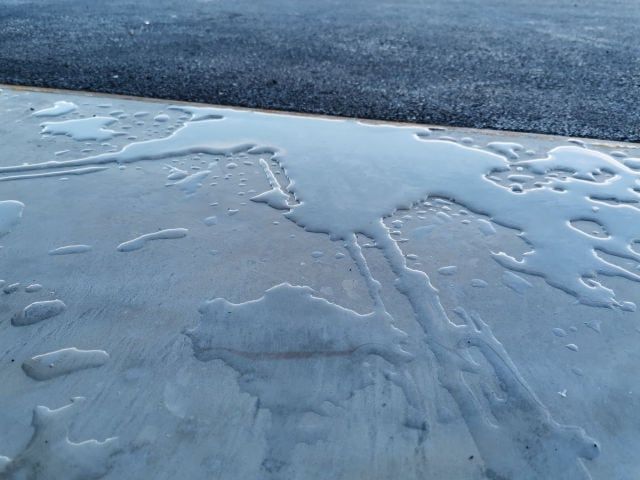
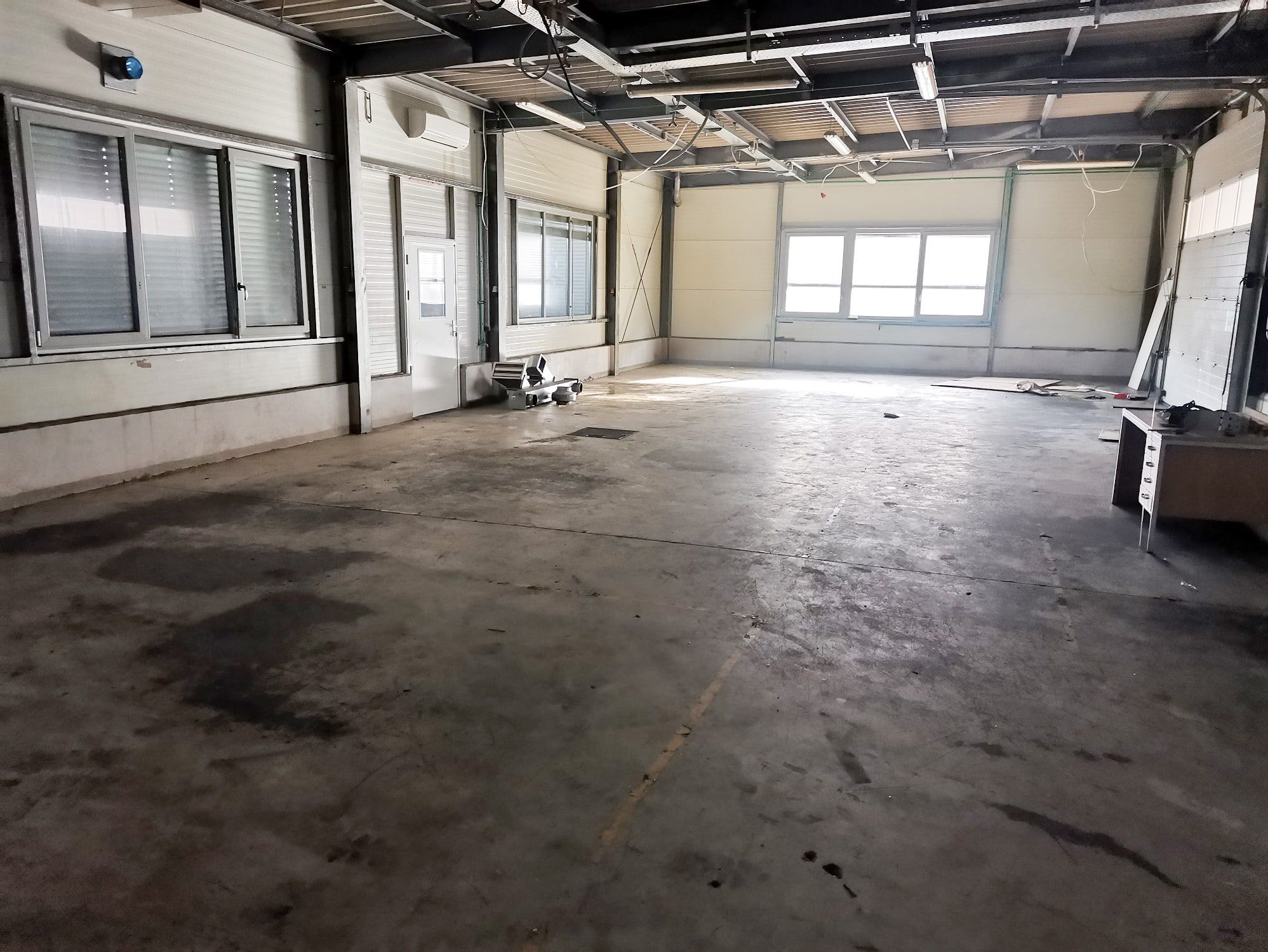
Before: Same hall, another area: from oil-soaked concrete to a sealed surface
After: Same hall, another area: from oil-soaked concrete to a sealed surface
BeforeAfter
Same hall, another area: from oil-soaked concrete to a sealed surface. Drag to compare.
Same hall, another area: from oil-soaked concrete to a sealed surface

Our projects in this sector

  • Medle: Industrial hall

    Medle

    Production and industry

  • Plasta: Production hall

    Plasta

    Production and industry, Šentrupert, 2,700 m²

  • Automati Štefančič: Grinding and Lithurin Formula, 2025

    Automati Štefančič

    Production and industry

  • Manimo: Industrial floor

    Manimo

    Production and industry

  • Aplast: Production hall

    Aplast

    Production and industry

  • Rut: Industrial premises

    Rut

    Production and industry

  • DG 69: Industrial hall

    DG 69

    Production and industry

All projects

References listed by the manufacturer, AB Lindec

International references of the manufacturer, not projects carried out by the contractor in Slovenia or Croatia.

  • Akzo Nobel
  • Alfa Laval

Frequently asked questions

Is the treatment suitable for existing floors?

Yes, if the concrete is sound. Before application we grind or clean existing floors back to an absorbent substrate and remove old coatings, oil and dirt.

What if there is oil in the hall?

Oil-contaminated areas are first thoroughly cleaned or ground. As the final step we add PROTEC, which improves stain protection. We do not promise chemical resistance, so spills still need to be cleaned up promptly.

Show us your floor. We will recommend the right sequence.

On a site visit we check the condition of the concrete, the traffic, how the floor is cleaned and what it is exposed to. Then we propose the surface preparation, the product sequence and a schedule that fits around your operations.

Book a site visitShow phone number

Opening hours: Mon–Fri 8:00–16:00