
Skip to content
Lithurin

Wash bays and wet areas

Concrete for areas that are washed every day

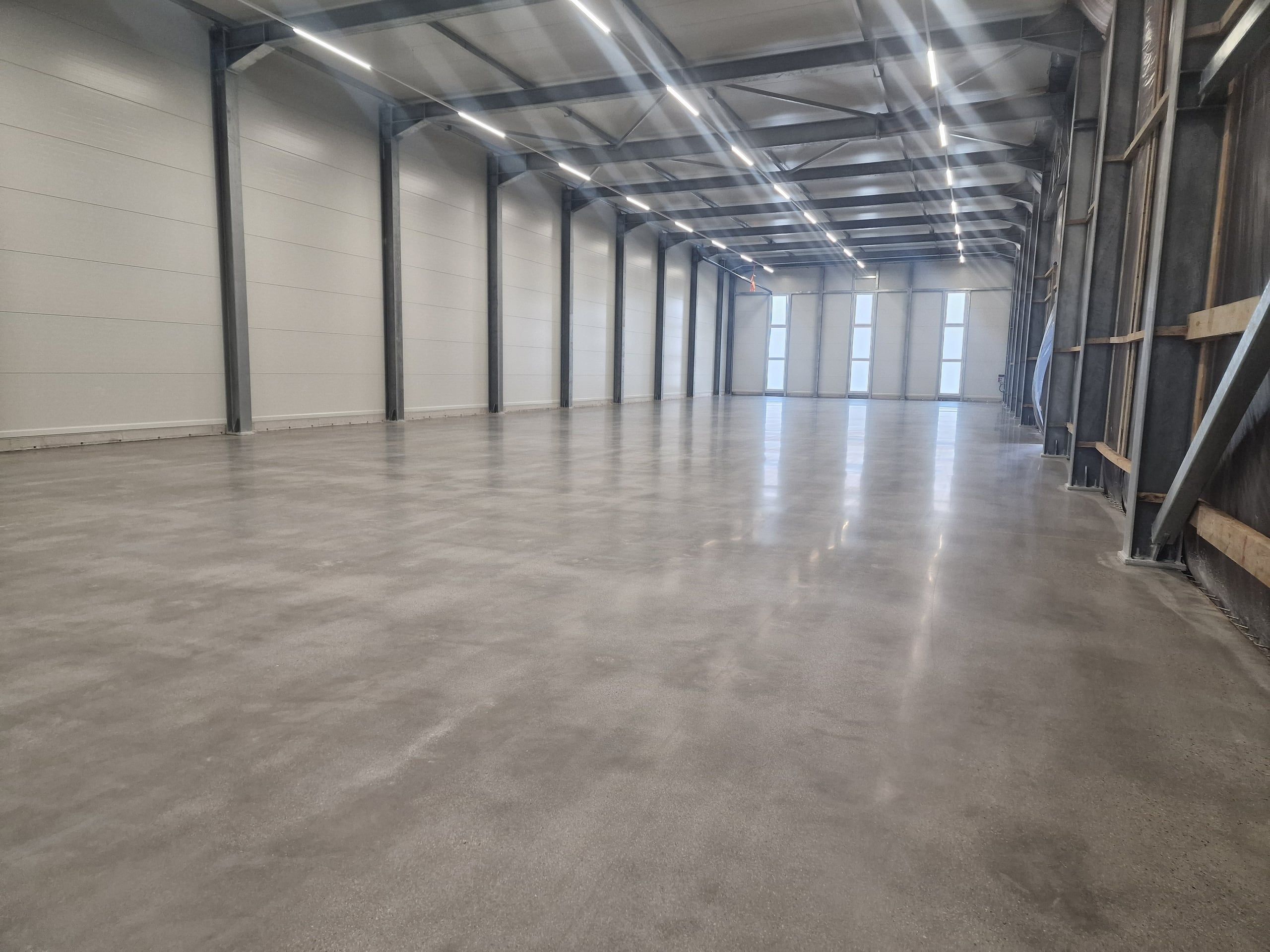
Closed-pore, even concrete floor in an industrial hall

Where floors are wet-cleaned regularly, untreated concrete absorbs water and dirt, and the surface deteriorates faster. In wet areas we start with HARD and follow with DENS or SEAL 3.0, which is also designed for wet environments. The aim is a denser, more closed surface that absorbs less and is easier to clean.

Who it is for

Wash bay operators, food and agricultural production, maintenance

What the floor has to cope with

  • Concrete absorbs water and dirt
  • The surface breaks down under constant moisture and washing
  • Stains and deposits that are hard to remove

What we aim to achieve

  • A denser, more closed surface
  • Lower liquid absorption
  • Easier washing

What happens to concrete that is washed every day

Every day, water from the pressure washer runs across the floor to the channel drain. See what untreated concrete absorbs in the process, how we treat it and what changes in the wash bay afterwards.

Skip to the recommended sequence

Illustration, not a measurement.

Water runs across the floor to the drain

During washing, water runs off the vehicle onto the floor and down the fall to the channel drain. Meanwhile, untreated concrete soaks it up. Where water runs every day, the surface stays dark and damp long after washing.

Liquid absorption

Water and dirt soak into the concrete. The floor stays dark for a long time and cleaning takes longer.

Illustration: A wash bay with a van. A pressure washer lance cleans the side of the vehicle, water runs across the floor to the channel drain, and the concrete next to the water is darker and damp. A detail is marked at the slab edge by the drain.
In section: water goes in, dirt stays

Water moves through capillaries into the surface layer, carrying dirt that gets trapped in the open pores. The soft top layer gives way under the jet and crumbles. Once the floor dries, the surface dusts.

Dusting

The top layer breaks down into fine dust, which settles back on goods, racking and machines soon after sweeping.

Illustration: Section through the slab by the channel drain. The jet from the lance hits the tyre and the floor, and a film of water runs over the surface into the drain. Beneath it the concrete is darker, water soaks down through the capillaries, there is dirt in the pores and grains crumble off the surface.

Grinding, HARD, then DENS or SEAL 3.0

First we grind the surface back to sound concrete. HARD penetrates the surface layer and reacts there with the free lime, making the layer harder and denser. This is followed by DENS, which densifies the surface further, or SEAL 3.0, which seals it. There is no film on top for water to undermine.

SEAL is not for wet areas: it is intended for dry indoor floors only. We choose between DENS and SEAL 3.0 based on the condition of the concrete and how the floor is cleaned.

Illustration: Section after treatment: a ground surface, the surface layer where HARD has reacted in the concrete marked in violet, and fewer open pores at the surface after DENS or SEAL 3.0. A dimension line marks the treated layer.

Water runs off, the floor washes clean more easily

With the same washing, less water soaks in and most of it runs off into the channel drain. Less water and dirt get into the concrete, so the floor dries faster. Regular wet machine cleaning removes dirt from the surface as it builds up.

Treated concrete is not waterproof. It absorbs less, which makes it easier to clean.

Illustration: The wash bay after treatment: the lance is washing the van again, water runs in a narrow strip into the channel drain, the floor beside it dries faster, and a cleaning machine with a diamond pad cleans the strip along the edge of the bay.

Recommended sequence

A starting point for a site visit. We set the final sequence according to the condition of the concrete, the preparation and how the floor is cleaned.

Our projects in this sector

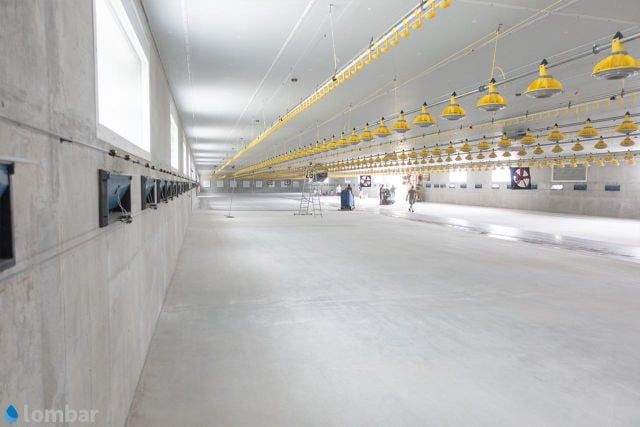
  • Kmetija Drofelnik: Livestock building with regular wet cleaning

    Kmetija Drofelnik

    Agricultural building

All projects

Frequently asked questions

Can we use SEAL?

No. SEAL is intended for dry indoor areas. For wet environments we follow HARD with SEAL 3.0 or DENS.

Will the concrete be waterproof?

No. The treatment reduces absorption and makes washing easier, but it does not make the concrete waterproof.

Show us your floor. We will recommend the right sequence.

On a site visit we check the condition of the concrete, the traffic, how the floor is cleaned and what it is exposed to. Then we propose the surface preparation, the product sequence and a schedule that fits around your operations.

Book a site visitShow phone number

Opening hours: Mon–Fri 8:00–16:00